
Hong Kong Health and Social Foundation Supports "Little People Big Connection" Pickleball Fun Day — Highlighting Treatment Access Challenges for Patients with Achondroplasia

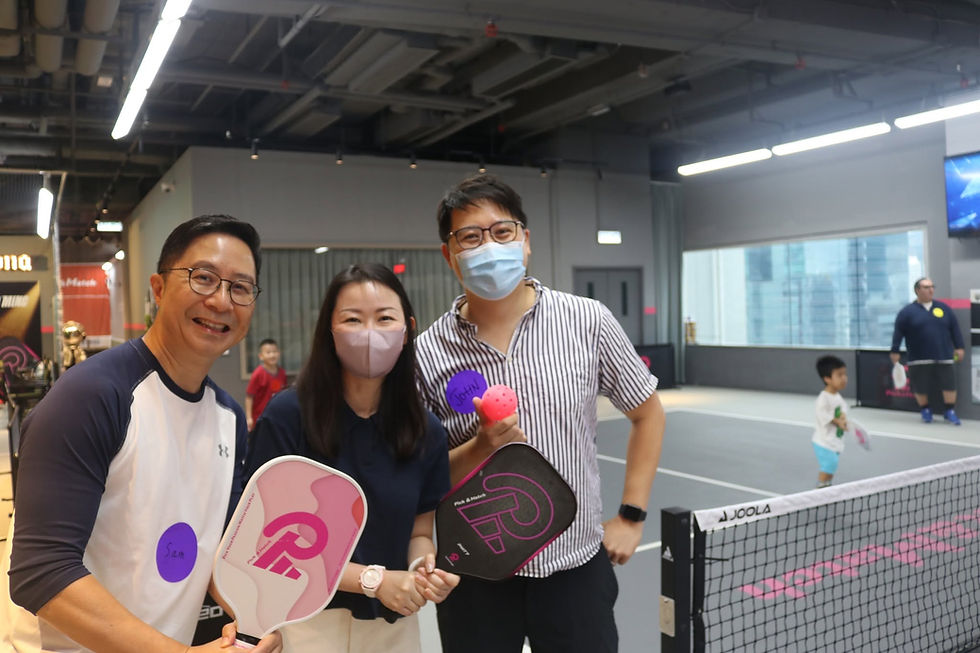
The Hong Kong Health and Social Care Foundation (HKHSCF) recently co-organised the "Little People Big Connection" (「小而同・大連結」) Pickleball Fun Day, hosted by the Little People of Hong Kong Rare Skeletal Disease Foundation. The event was co-organised and supported by the Women's Affairs Committee under the DAB Policy Advocacy Committee, the Hong Kong Alliance for Rare Diseases, and the Cancer Strategy Concern Group. It brought together patient families, members of the medical and healthcare sector, political figures, and people from all walks of life to promote inclusion between people with and without disabilities through sport, while raising public awareness of the needs of patients with rare skeletal diseases.
The Fun Day was coordinated and organised by Mr Wong Chun-ho, Co-founder of HKHSCF, with the full support of Mr Terry Lai, Co-founder of the Foundation, who provided assistance across event planning, cross-sector liaison, and on-site execution to ensure the event ran smoothly. Mr Wong said: "The Foundation has always been committed to connecting medical and social welfare resources. Through organising diverse community activities, we hope to encourage patients with rare diseases and their families to step out and participate equally in society, while enhancing public understanding and awareness of the rare disease community." He extended special thanks to all co-organising and supporting organisations for their strong support, as well as to the guests, volunteers, and patient families for their enthusiastic participation, which made the event a success and fully embodied the spirit of "Small but Connected".
Enthusiastic Support from the Political and Medical Sectors — Standing Together with Patient Families
The event was graced by the presence of several distinguished guests. Legislative Council member Elaine Chit took part in the ceremonial first serve and experienced pickleball alongside a group of children, engaging directly with patient families. Legislative Council member Elizabeth Quat also joined the guest invitational match, sharing the joy of sport with patients and their families. In addition, Mr Samuel Mak, Co-founder of the Foundation and Convenor of the Cancer Strategy Concern Group, had the honour of taking to the court alongside representatives of the Little People of Hong Kong and Legislative Council member Elizabeth Quat.

On the medical front, the Foundation extended its heartfelt thanks to Dr Luk Che-chung, Honorary Advisor, and Dr Tung Yuet-ling and Dr Kwong Yu-ling, Advisors of the Little People of Hong Kong Rare Skeletal Disease Foundation, for taking time out of their busy schedules to attend and share with patients and their families. Over the years, the three doctors have consistently cared for the rare disease community, providing professional support and encouragement to patients, and have contributed greatly to raising public awareness of rare skeletal diseases and advancing patients' rights.

Treatment Access Challenges for Achondroplasia Patients — A Treatment Within Reach Yet Hard to Afford
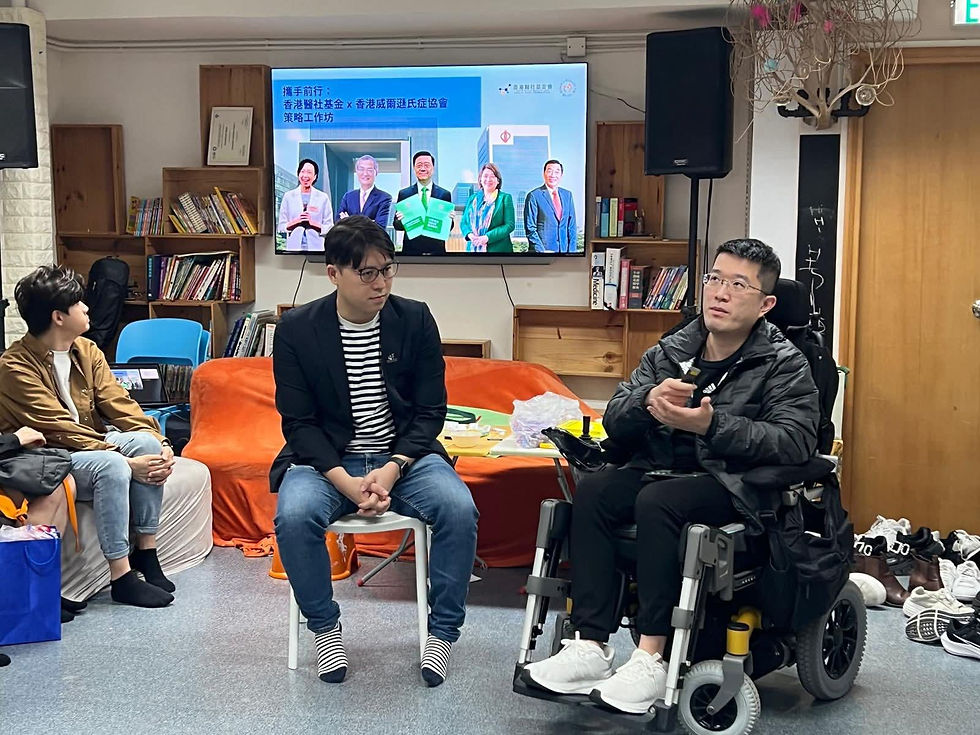
During the event, several patients and caregivers shared their treatment journeys, with the treatment access challenges faced by patients with Achondroplasia drawing particular attention. Achondroplasia is one of the most common rare skeletal diseases. Caused by a genetic mutation that affects bone development, patients not only face limited stature but may also develop complications such as spinal stenosis, breathing difficulties, hearing impairment, and restricted mobility, all of which have a significant impact on daily life and development.
In recent years, the medical community has developed innovative targeted therapies for Achondroplasia that help improve patients' bone growth and reduce related complications, bringing new hope to patients and their families. However, these innovative medicines are costly and are currently not included in the government's safety net or related funding mechanisms. Even when families know that "treatment is within reach", the heavy financial burden means many are unable to begin treatment for their children in time, and can only endure physical and emotional stress through a long wait.
HKHSCF believes that being rare should never mean being overlooked. Why should patients and families have to hold back due to the limitations of the funding system, even when effective treatment is available? Patients' treatment needs should not be delayed simply because a disease is rare or because a medicine is expensive. The Foundation urges the government and relevant departments to address the treatment access challenges faced by rare disease patients, to expedite the review and enhancement of funding mechanisms, and to include innovative medicines with clinical evidence and therapeutic benefit in the safety net, so that patients can receive appropriate treatment early, improve their quality of life, and realise their full potential.
Walking Together — Building a More Compassionate Healthcare System
HKHSCF reaffirmed that it will continue to work closely with patient groups, medical professional bodies, policymakers, and all sectors of society to actively convey patients' needs, drive policy improvement, and — through community activities, public education, and cross-sector advocacy — rally the strength of society to secure a fairer and more affordable treatment environment for rare disease patients.
A disease may be rare, but the opportunity for care and treatment should never be. HKHSCF hopes to walk hand in hand with all sectors of society, so that every patient can receive appropriate support when needed, and live a life of greater dignity and hope.


Comments